
You stare at a fridge full of ingredients but have no plan for the week ahead.
We get it. The nightly “what’s for dinner?” question is exhausting. Ordering takeout again feels like giving up.
Here’s the good news: you don’t need culinary school or an entire Sunday in the kitchen to meal prep for the week.
This article will walk you through exactly how to food prep for your family. You’ll learn to come up with a solid plan and build a rotation of meals everyone will actually eat.
What Is Family Meal Prep and Is It Right for You
How Meal Prep Is Different from Regular Cooking
Meal prep means preparing complete meals or meal components ahead of time to consume later. It’s different from meal planning (which answers “what’s for dinner?”). Meal prep puts that plan into action by cooking or readying ingredients for the week ahead.
You have flexibility in how to approach this. Some families prefer traditional meal prep, where you cook and portion complete meals into individual containers. Others prefer food prep (also called component cooking), where you prepare 2-3 proteins and 3-5 sides separately, then mix and match them throughout the week. This creates variety without requiring you to eat similar meals five days straight.
Batch cooking offers another approach. Batch cooking focuses on making large quantities of dishes you want to eat.
Meal prep involves setting aside time (whether 3 hours or just 30 minutes) to begin prepping upcoming meals. This might mean making entire meals ahead and portioning them into containers. Or you can make a pot of grains, bake sweet potatoes, chop vegetables, or prepare sauces.
Who Benefits Most from Meal Prepping
Busy schedules drive most people toward quick takeout meals, which often contribute to expanding waistlines. Families juggling work, school activities, and household responsibilities find meal prep especially valuable.
Working parents save time by batch cooking. People who cook at home eat higher quality food and consume fewer calories. They spend less money on food and experience less weight gain over time compared to those who dine out.
Meal prep isn’t just for health enthusiasts. The practice works for busy professionals, families, and anyone looking to simplify dinner. Parents struggling with decision fatigue appreciate having predetermined meals ready. As one mom described it, “For the first time in years, I’m actually sitting down with my kids at dinner instead of running around the kitchen”.
Common Myths About Meal Prepping
Myth: Meal prep takes too much time. The . While this seems substantial, batch cooking allows you to maximize kitchen time by preparing multiple meals in roughly the same amount of time needed for just two meals. Meal prep can take however long you want, but typically 1-3 hours to make a week’s worth of meals.
Myth: You eat the same thing every day. Rotating proteins, carbs, and vegetables creates natural variety. Component cooking means you’re not stuck with similar meals. Most families rotate through 3-6 different meals each week and change their meal plan monthly, providing plenty of variety.
Myth: Prepped food tastes boring. Meals prepared with proper storage techniques and reheated the right way retain their flavor. Many people find that choosing foods they enjoy (rather than “should” eat) makes meal prep sustainable.
Myth: Meal prep is expensive. Bulk ingredient purchases save money. Families avoid the costs associated with dining out or purchasing individual ingredients for nightly cooking. Home meal preparation also reduces food waste since you’re using all purchased ingredients.
Myth: You need tons of storage space. Stackable, airtight containers store efficiently in fridges and freezers. Meals designed for freezing can be stored flat in gallon bags and take up minimal space.
Think About Hiring Help
If prepping meals yourself feels overwhelming, services like Chefs For Families (chefsforfamilies.com) personal chef service provide an alternative. Professional chefs prepare customized, affordable meals in your home and save you prep time while delivering restaurant-quality dinners your family will enjoy.
Essential Tools and Containers for Family Meal Prep
The right equipment transforms meal prep from a tedious chore into a manageable routine. You don’t need every gadget on the market, but investing in quality basics makes learning how to food prep by a lot easier.
Best Storage Containers for Different Foods
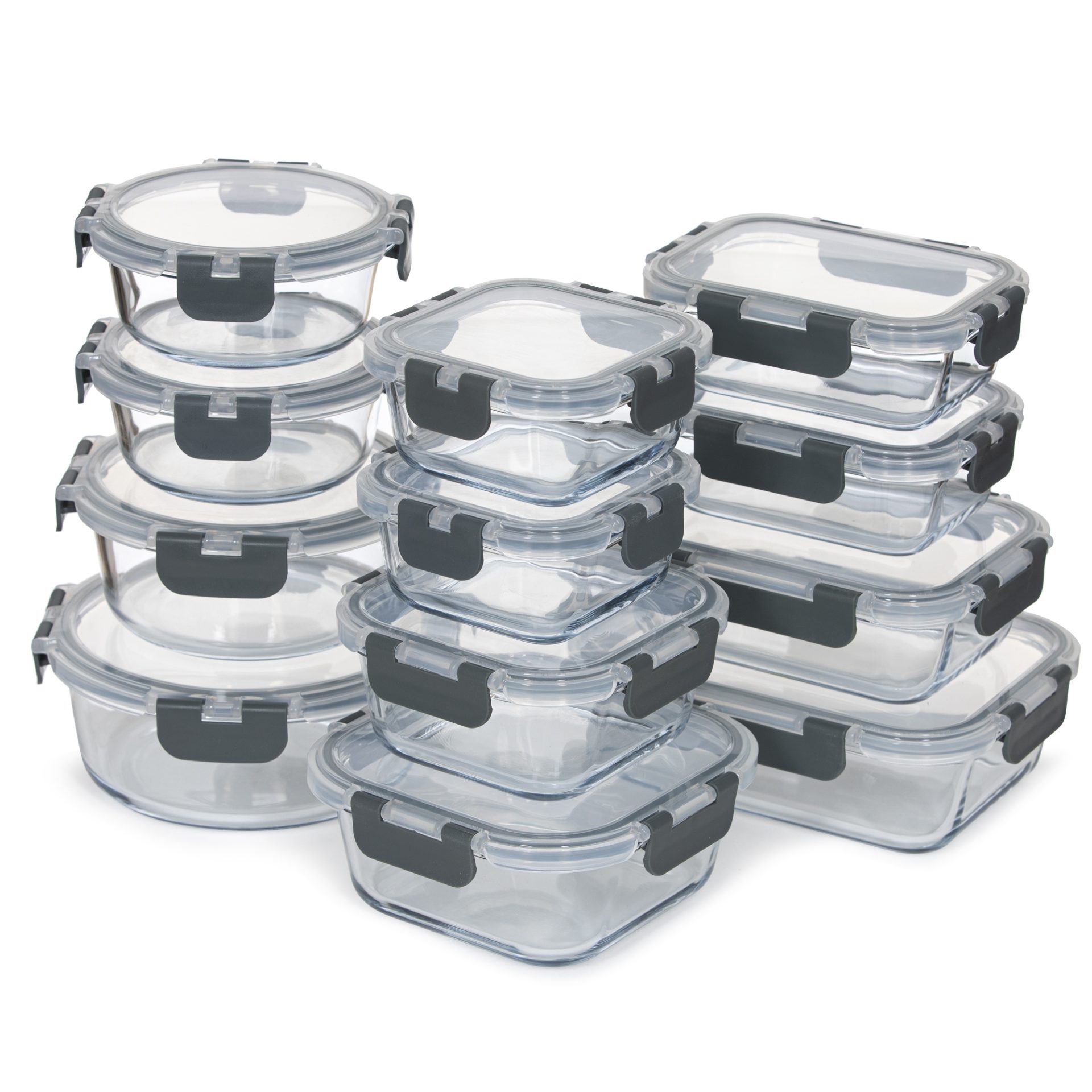
Airtight containers are the foundations of successful meal prep. Glass containers offer the most versatility since they’re freezer, oven, and dishwasher safe. Look for 3- or 4-cup containers to store complete meals. Two-compartment glass containers keep foods separated, which works well for families who prefer components not touching. Mason jars can also work well and serve multiple purposes: 32-ounce jars hold salads, smoothies, and cut vegetables. The 16-ounce jars store overnight oats, soups, sauces, and dressings.
Silicon trays are another option to freeze measured portions of food for later use. You freeze soup or sauce in these trays, pop out the cubes and store them in freezer bags to save space. This approach proves helpful when learning how to meal prep for the week with different meals each day.
Kitchen Tools That Speed Up Prep Time
A sharp chef’s knife and quality cutting board rank as the most important and versatile tools in your kitchen. Wood cutting boards are gentle on knives and environmentally friendly.
An Instant Pot cuts down active cooking time by a lot. A 6-quart model handles batch prep of soups, proteins, and steamed vegetables for families cooking for two or more people. Knowing how to set cook time and walk away frees you up for other tasks.
Food processors excel at shredding cheese, pureeing tomatoes, and chopping vegetables. A full-size 14-cup Cuisinart food processor offers effective performance at a reasonable price. Mini food processors provide the same convenience in a compact, affordable package as an alternative.
An immersion blender makes homemade soups simple by blending hot liquid right in the pot. Slow cookers remain useful despite their age: throw in ingredients before work and come home to a hot meal.
How Much Storage Space You’ll Need
Measure your refrigerator before shopping for containers. Stackable containers with simple lids maximize storage space. Downsize to smaller containers as you use up food to free up space.
Washing, chopping, and bagging produce takes up less space than storing whole vegetables. Even boxed salad greens shrink when transferred to reusable bags. Think over using vertical storage to double your refrigerator options.
How to Food Prep: Your Complete Action Plan
Success with meal prep doesn’t require overhauling your cooking routine overnight. Building sustainable habits takes a phased approach that prevents burnout.
Week 1: Start With Just Dinners
Begin by prepping just dinners . Choose one specific day (Sunday works well for most families) and dedicate roughly 1-2 hours for your prep session. Focus on foods that take longest to cook and start those first during this time: typically things simmered on a back burner or baked in the oven.
A simple Sunday afternoon session might include cooking a pound of pasta, roasting sheet-pan chicken thighs, and sautéing peppers and onions. These versatile components assemble into multiple different meals throughout the week. To name just one example, the chicken pairs with both Mediterranean and Mexican flavors. You can create variety without cooking separate dishes each night.
Cook your pasta only until al dente, rinse with cold water, and toss with a teaspoon of olive oil before dividing into portions. Store one portion in the refrigerator for meals within four days and freeze the rest for later use. Label each container with contents and date so you’ll remember what to use by.
Week 2: Add Breakfast or Lunch Prep
Once dinner prep feels manageable, add breakfast components to your routine. Prep three to four breakfast recipes to feed a family of four for every weekday morning. Options like breakfast sandwiches, egg muffins, or baked oatmeal reheat quickly on busy mornings.
Many families find prepping breakfast and lunch easier than starting with dinners. You might prepare breakfast items one day and lunch components mid-week if doing everything Sunday feels overwhelming.
Build a Rotation of Family-Favorite Recipes
Create a master list of recipes your family enjoys and categorize them by preparation time and cooking method. Quick meals (under 30 minutes) and slow cooker dishes provide structure for your weekly plan. A two-week rotation gives variety without requiring extensive planning. A four-week cycle works better for families who dislike repetition.
Stock your pantry with proteins and seasonings that support your rotation. Refresh your rotation seasonally by incorporating new ingredients and evaluating what works.
Create Your Prep Day Routine
Choose consistent days for planning your menu, shopping for groceries, and prepping food. Breaking these tasks across different days keeps meal prep manageable. Multitask by chopping vegetables, washing greens, or preparing sauces while foods bake or simmer.
Keeping Your Family Excited About Prepped Meals
Image Source: Choose Homemade
Meal prep fails when food becomes predictable. Rotation prevents boredom without requiring you to cook different meals each week.
Rotate Flavors and Cuisines Weekly
A two-week rotation provides variety without extensive planning, while a four-week cycle works better for families who dislike repetition. Themed nights create structure: Taco Tuesday, Pasta Wednesday, or Pizza Friday give kids something to anticipate. Learning cuisines from India, Mexico, Morocco, Indonesia, or Turkey expands your family’s palate. The same protein prepared with different spice blends transforms. Chicken becomes unrecognizable when you prepare it as Indian curry versus plain roasted.
Let Kids Help Choose and Prepare Meals
Kids who plan and prepare meals become more interested in trying new foods. Empower your children to choose at least one family meal weekly. Younger kids can gather ingredients, wash produce, and pour ingredients. Older children measure, chop, and learn stovetop safety.

Use Sauces and Toppings to Switch Things Up
Sauces solve the boredom problem. One batch of chicken paired with four different sauces creates four distinct meals. Store sauces in small containers and add them fresh when reheating. This approach adds moisture back into reheated proteins and helps foods feel restaurant-worthy. Ranch, BBQ, hot honey mustard, or buffalo sauce transforms the same base ingredients.
Balance Nutrition Without Boring Your Family
Build a rainbow of colorful fruits and vegetables into meals to maximize variety and nutrients. Kids may need to try new foods up to a dozen times before accepting them. Offer new foods when children are most hungry and ask for one bite with an open mind. Model healthy eating as a family rather than catering to individual priorities.
Hire a Personal Chef for Stress-Free Family Meals
Personal chef services are an alternative for families who want home-cooked meals without learning how to meal prep themselves. These professionals come to your home weekly, cook multiple dinners in your kitchen and leave everything spotless.
Your chef handles menu planning based on your priorities, shops for ingredients and prepares meals from scratch in your kitchen. They portion and label everything, then clean up. You can schedule visits weekly or choose different frequencies. Many clients aren’t even home during cooking sessions.
Time-pressed families save 10 to 15 hours weekly with a personal chef, considering the work to be done for planning and shopping alone. Chefs accommodate any dietary restrictions at no extra charge, from paleo and diabetic-friendly to vegetarian and allergy-specific meals.


Skip Meal Prep with Chefs For Families
If becoming skilled at food prep feels overwhelming, Chefs For Families (chefsforfamilies.com) provides customized meal preparation in your home and delivers quality dinners without the prep work.